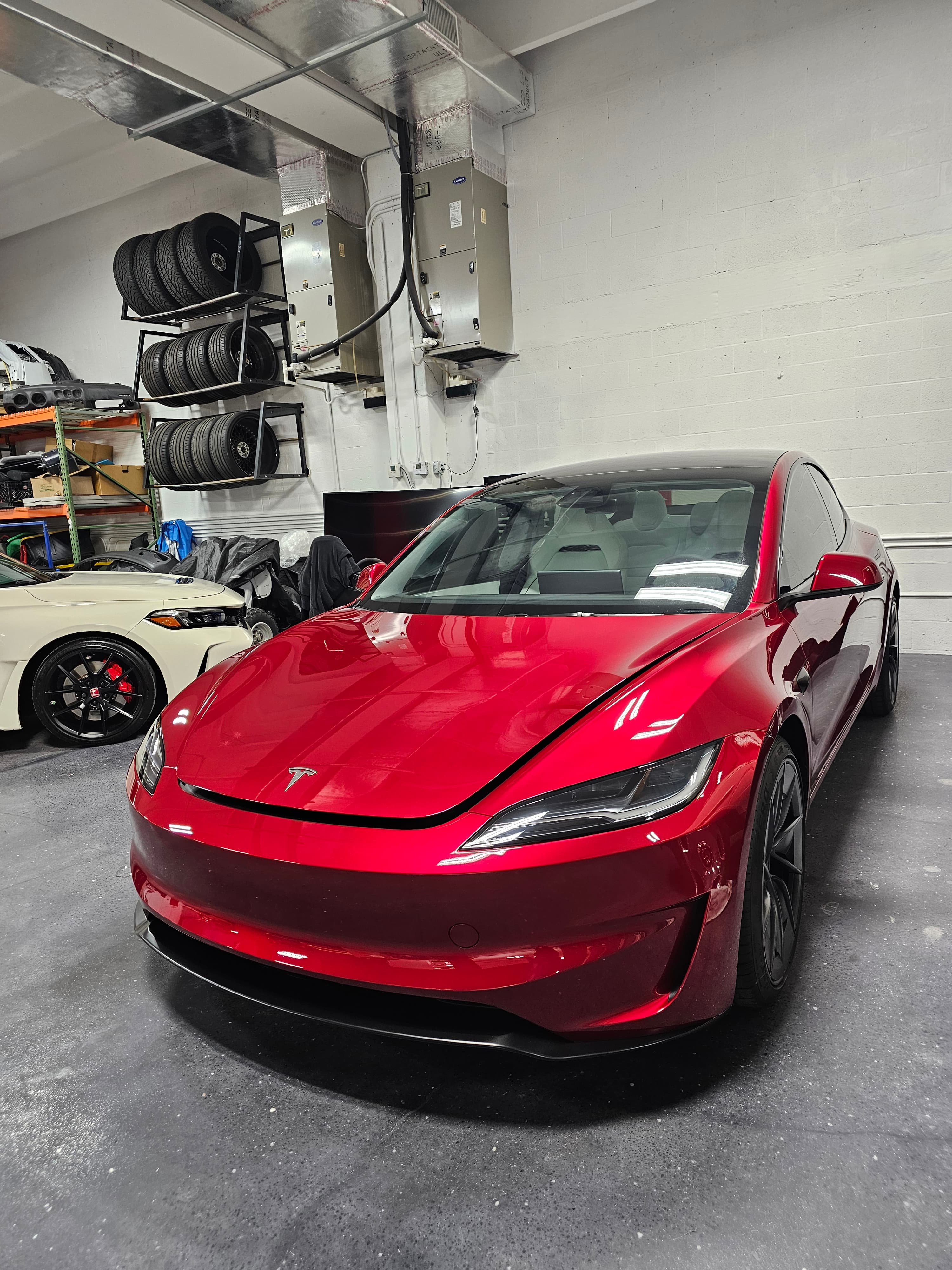
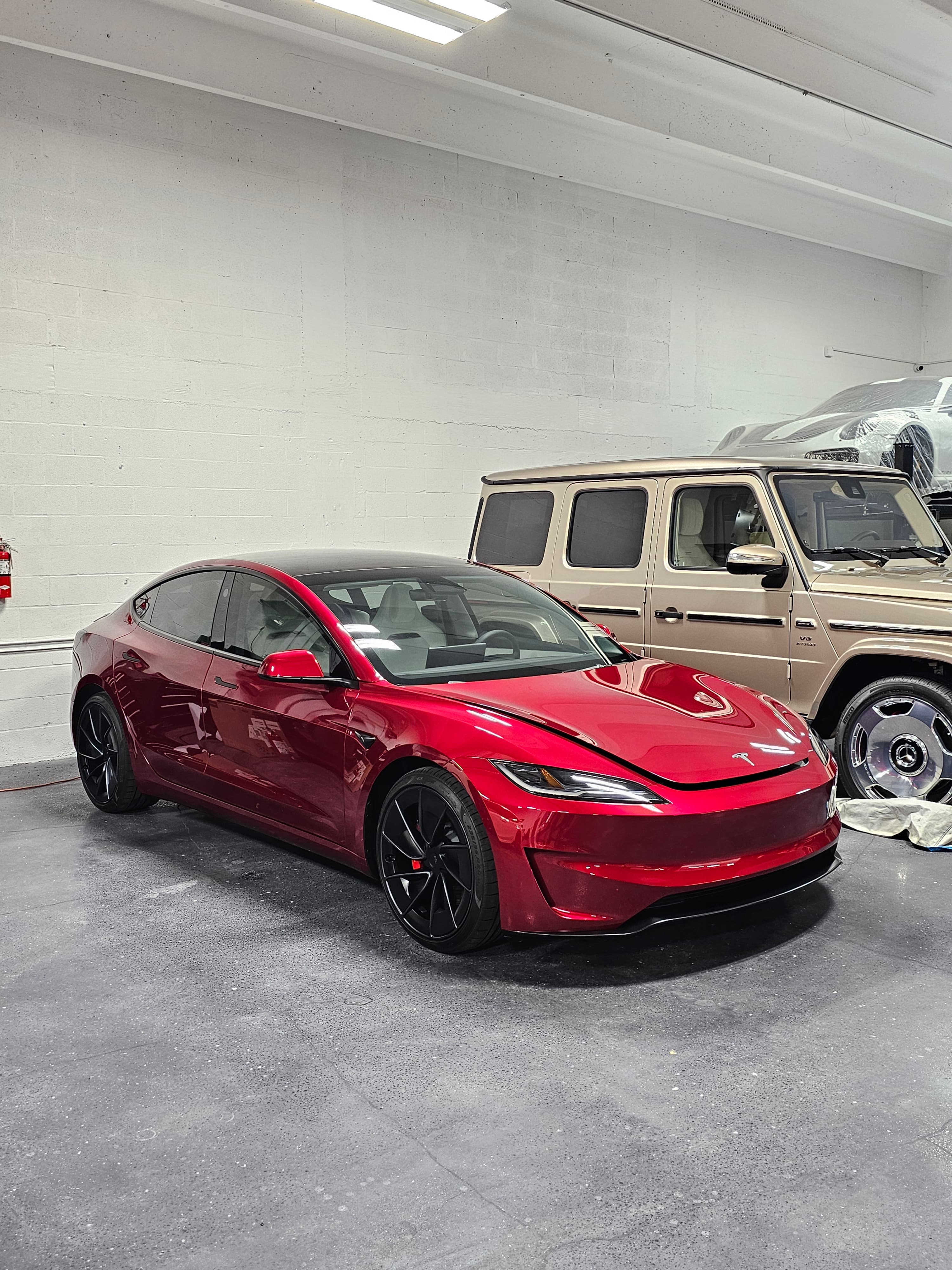
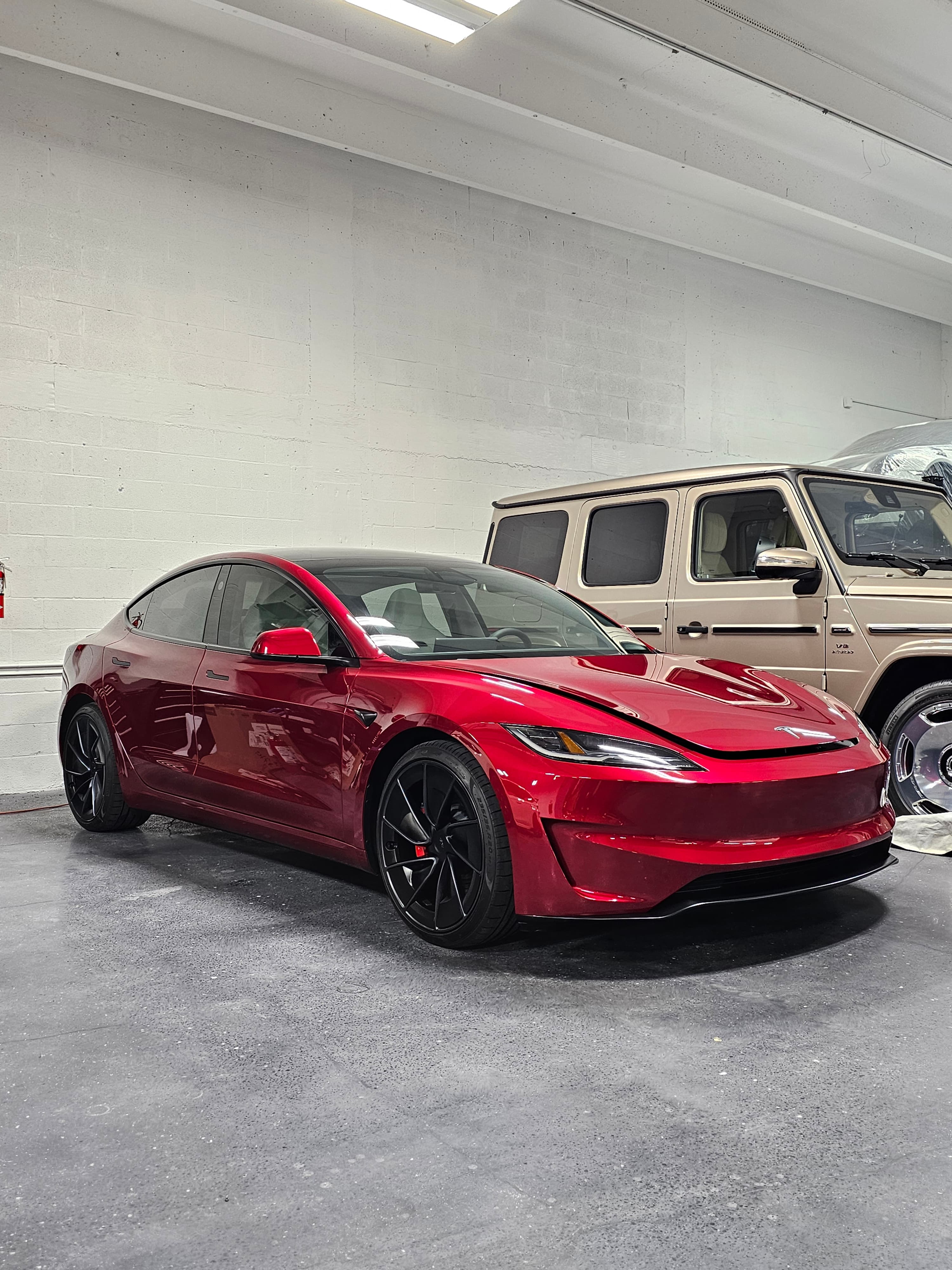
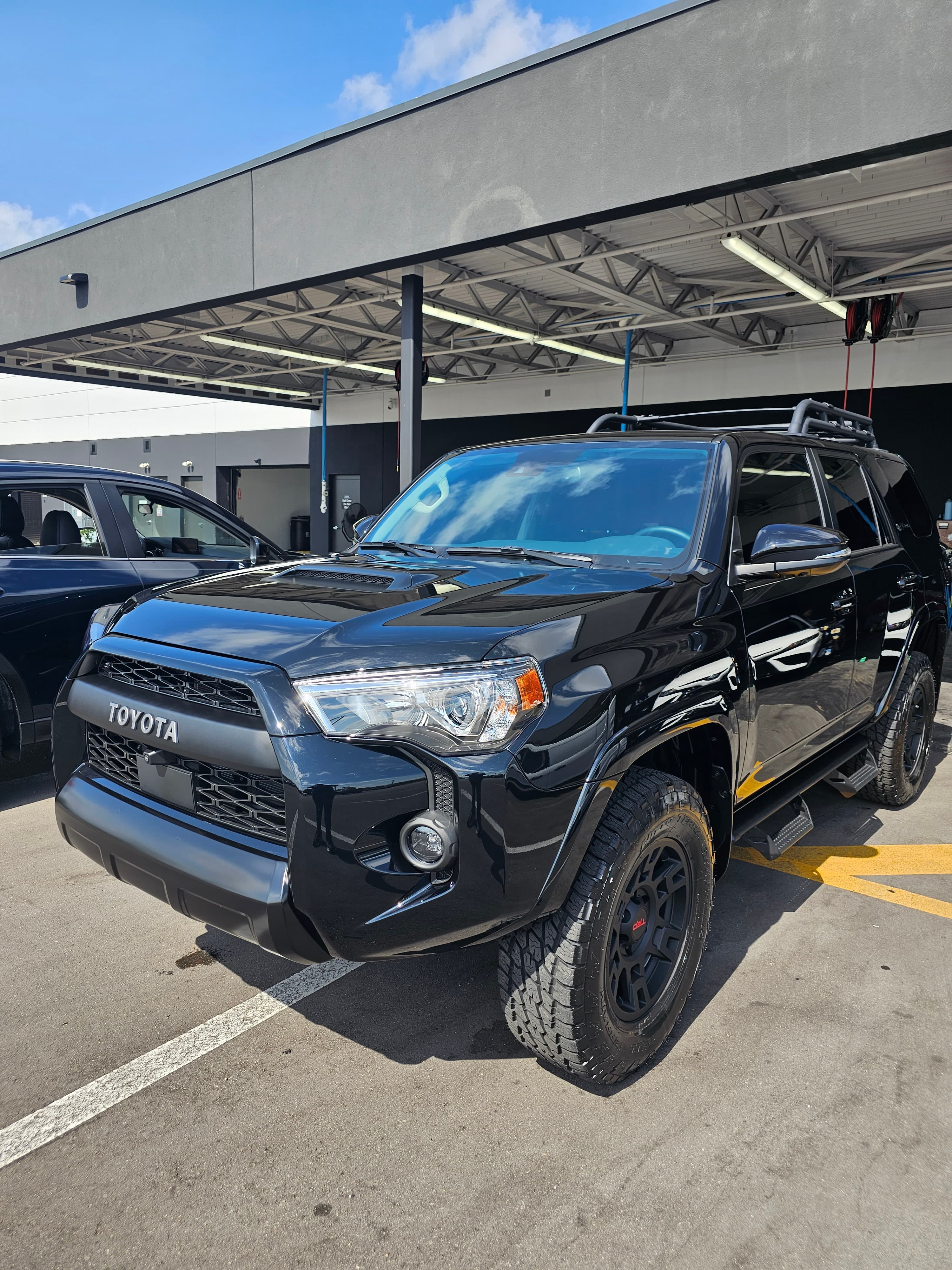
Detail Blog

The Ultimate Guide to Paint Protection Film: Why Miami’s Elite Choose PPF

Miami's sun, salt air, and road debris destroy your car's paint daily. After years protecting luxury vehicles here, I've seen why Paint Protection Film is the only real solution. Here's what you need to know.
Paint Protection Film (PPF), The Ultimate Guide to Paint Protection Film: Why Miami's Elite Choose PPF

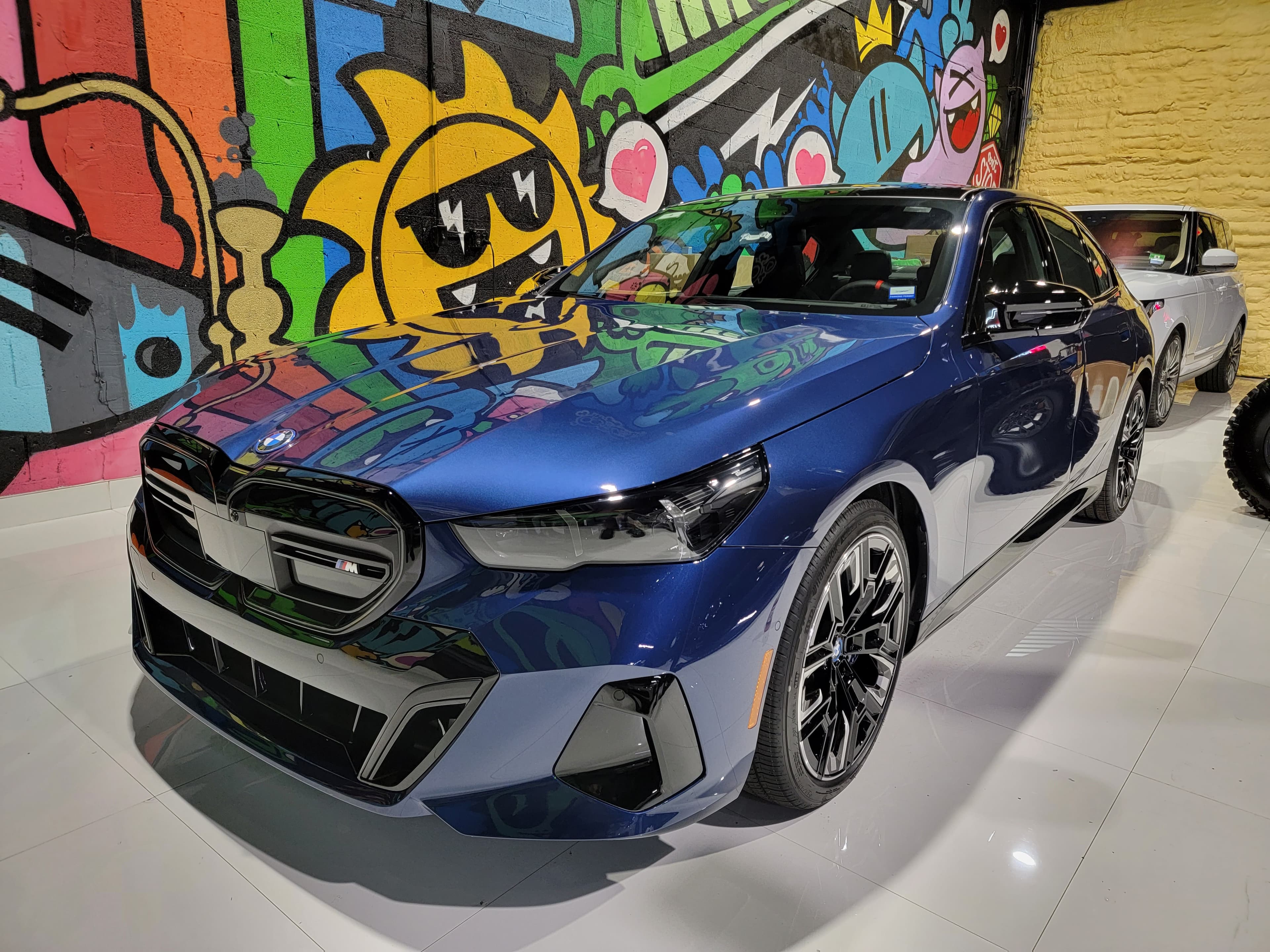
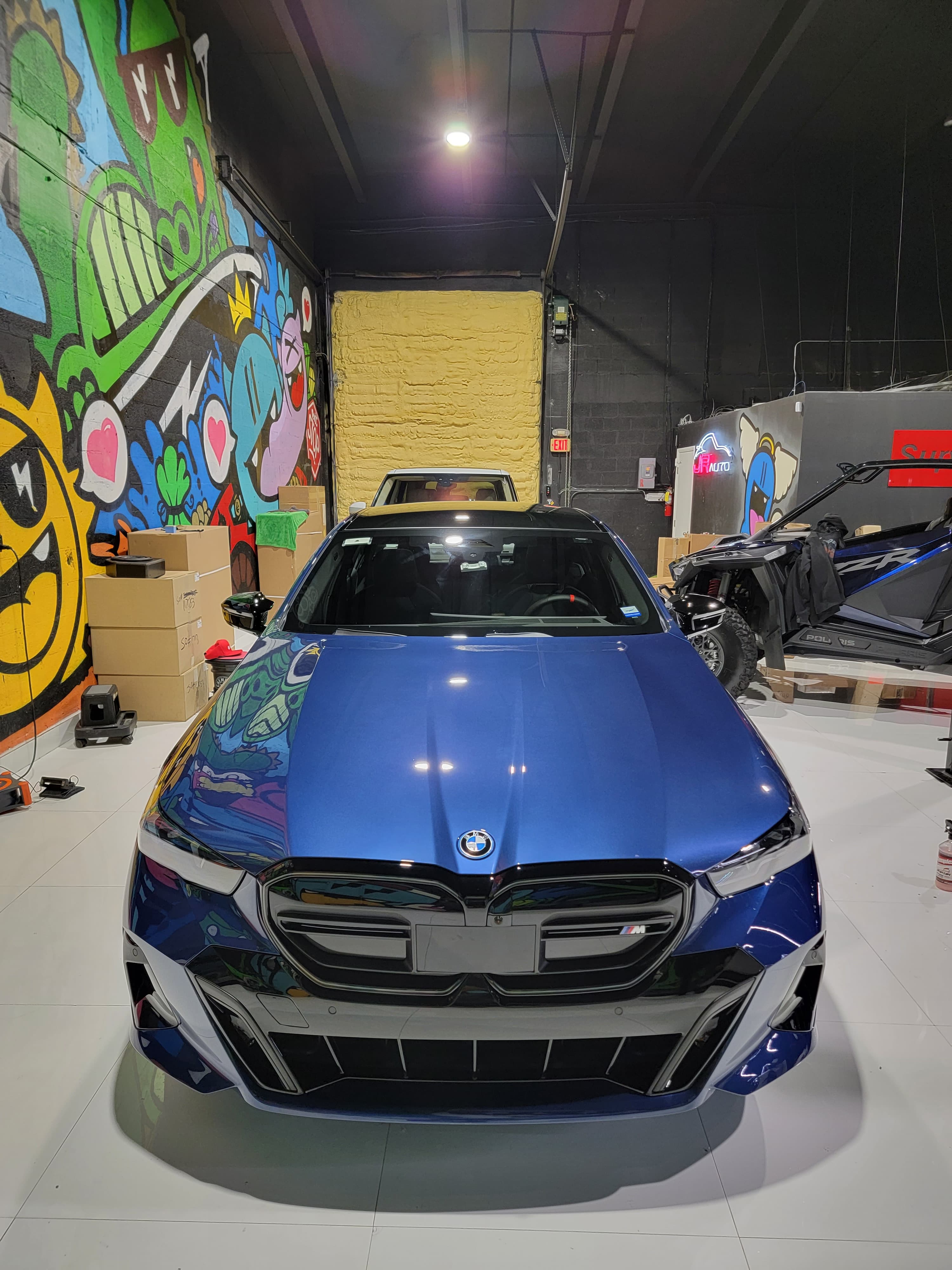
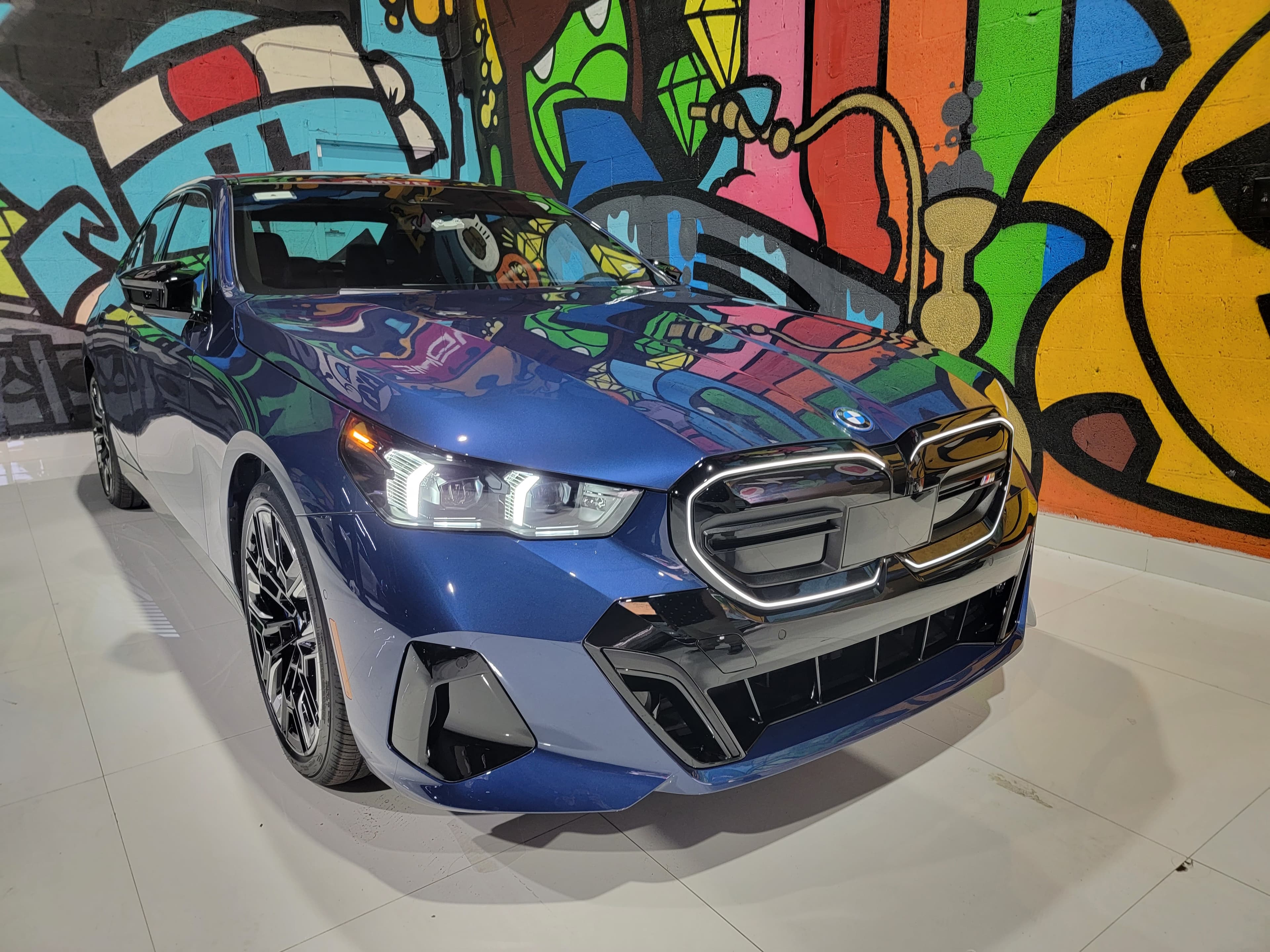
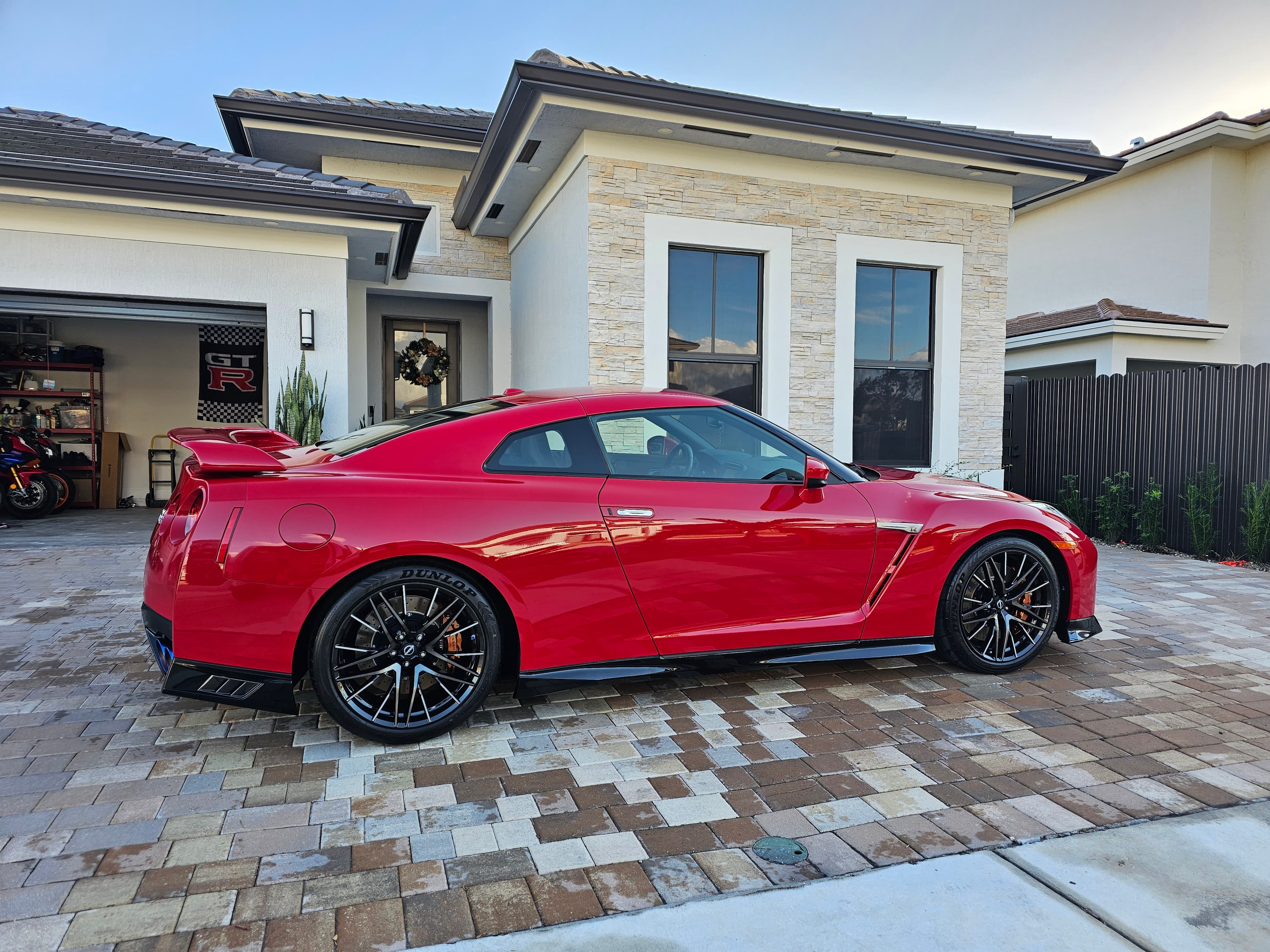
I’ve been protecting luxury vehicles in Miami for years, and I can tell you firsthand that your car’s paint faces a daily assault down here. Between the brutal UV rays, corrosive salt air, road debris, and tropical humidity, it’s a wonder any vehicle maintains its showroom finish for long without proper protection.

If you’re driving a luxury or exotic car in South Florida, you already know what I’m talking about. You’ve probably noticed those tiny rock chips appearing on your hood, or maybe you’ve seen how quickly the Florida sun can fade an unprotected finish. That’s exactly why I want to share everything I’ve learned about Paint Protection Film and why it’s become the gold standard for preserving your vehicle’s appearance.

What Exactly is Paint Protection Film? This Guide to Paint Protection Film will cover all you need to know

Let me break this down for you. Paint Protection Film (you’ll also hear it called clear bra or PPF) is essentially a transparent shield made from thermoplastic urethane that we apply over your car’s painted surfaces.

Here’s something cool: this technology actually started with the military during the Vietnam War. They used it to protect helicopter rotor blades from debris damage. Fast forward to today, and the automotive version has evolved into something truly impressive.

Modern PPF isn’t just a piece of plastic film. It’s a sophisticated multi-layer system with a self-healing top coat that literally repairs minor scratches and scuffs when exposed to heat. I’ve seen it work hundreds of times, and it still amazes me. Small swirl marks and light scratches just disappear when the film warms up in the sun or when we apply gentle heat.

How PPF Actually Works

When I’m explaining this to clients at my shop, I like to show them how the film is constructed. It’s got four main layers working together:

The top layer is that self-healing clear coat I mentioned. Below that is the protection layer, which is the core thermoplastic polyurethane that absorbs all those impacts. Then there’s a pressure-sensitive adhesive layer that bonds to your paint without leaving any residue. And finally, there’s a release liner that we peel off during installation.

What really matters is the results. Industry data shows that vehicles with PPF experience 90% less paint chipping than unprotected cars. I’ve seen this play out with my own clients. Cars that would typically have dozens of rock chips after a year on Miami roads? Still flawless.

Why I Push PPF Hard for Miami Vehicles

Look, I work on cars from all over the country, and Miami is in a league of its own when it comes to paint-destroying conditions. Here’s what I see every single day:

Environmental ThreatImpact on PaintHow PPF Protects
Intense UV RadiationOxidation, fading, clear coat failureBlocks harmful UV rays, reduces sun damage by up to 40%
Salt AirCorrosion, discoloration, stainingCreates waterproof barrier that repels salt and pollutants
Road DebrisRock chips, scratches, surface damageAbsorbs impacts before they reach paint
Tropical HumidityAccelerated contamination damage from bird droppings, tree sap, bug splatterHydrophobic surface helps contaminants slide off

The sun alone is relentless. I’ve seen vehicles lose their clear coat integrity in just a couple of years without protection. Studies show that PPF can reduce sun-induced damage by up to 40%, and I believe it. The cars I wrapped five or six years ago still look incredible.

And don’t get me started on the salt air. We’re surrounded by the ocean, and that salt-laden air is working 24/7 to corrode your paint. I see it cause discoloration and premature aging all the time on unprotected vehicles.

Then there’s the roads. Whether you’re cruising down I-95 or heading over the MacArthur Causeway, you’re constantly bombarded with gravel, construction debris, and road grime. PPF absorbs those impacts so your paint doesn’t have to.

The humidity amplifies everything else. Bird droppings, tree sap, bug guts, they all etch into paint faster in our climate. Research shows that about 60% of car owners experience exterior damage from environmental pollutants. With PPF’s hydrophobic properties, most of this stuff just slides right off before it can do any damage.

The Money Side: Why PPF Makes Financial Sense

I get it. When I quote someone for paint protection film, there’s usually a moment of sticker shock. But let me walk you through the math, because this investment pays for itself.

Resale Value Protection
Kelley Blue Book data indicates that well-maintained vehicles with PPF can sell for 10-15% more than comparable unprotected vehicles. If you’ve got a $100,000 car, that’s potentially $10,000-$15,000 extra in your pocket when you sell. I’ve had clients come back and thank me because their dealer specifically called out the PPF as a value-add during trade-in.

Avoiding Expensive Repaints
A single bumper repaint can run you $1,500-$3,000 here in Miami. I’ve seen people pay that multiple times over the years. Meanwhile, a proper PPF installation gives you years of protection for a fraction of those cumulative repair costs.

Lower Maintenance Costs
Here’s something people don’t always think about: PPF makes your car easier to keep clean. Studies show vehicles with PPF require about half the cleaning effort compared to unprotected cars. That smooth, hydrophobic surface resists dirt, so you’re spending less time and money on detailing.

Comparing the Top PPF Brands

I work with all the major brands, and clients always ask me which is “best.” Here’s my honest breakdown:

BrandSelf-HealingWarrantyBest ForPrice Point
XPEL Ultimate PlusSuperior10 years (includes labor)Harsh climates, maximum protectionPremium
3M Scotchgard ProExcellent10 yearsAll-around performance & reliabilityMid-High
SunTek UltraVery Good10 yearsValue-conscious buyersCompetitive

According to industry comparisons, all three offer exceptional protection. But here’s what I really want you to understand: the installer matters more than the brand. I’ve seen perfect installations with mid-tier film outperform sloppy work with premium film every single time.

That’s why at my shop, we focus obsessively on proper surface prep, precise cutting, bubble-free application, and perfect edge sealing. Those factors determine whether your PPF lasts 5 years or 10+.

What Happens During Installation

I want you to know exactly what goes into a professional PPF installation, because understanding the process helps you appreciate why it costs what it does and why you shouldn’t trust just anyone with your vehicle.

Step 1: Surface Preparation
This is where most amateur installers fail. I thoroughly wash, decontaminate, and do paint correction if needed. Any existing scratches or contaminants get locked under the film if we don’t address them first. Your paint needs to be absolutely perfect before we apply anything.

Step 2: Precision Cutting
I use advanced software with vehicle-specific templates to cut the film precisely to your car’s dimensions. This ensures seamless coverage and clean edges that align perfectly with your vehicle’s body lines. No generic “close enough” cutting here.

Step 3: Application
Using slip solution and specialized tools, I carefully apply the film panel by panel. I work methodically to eliminate every air bubble and ensure perfect adhesion. Heat guns help the film conform to complex curves and contours. This part requires patience and skill.

Step 4: Edge Sealing
This step is critical for longevity. I carefully heat and seal all edges to prevent water infiltration and peeling. Proper edge work is what separates a 5-year installation from a 10-year one.

Step 5: Quality Inspection and Curing
After installation, the film needs time to cure and bond completely. I tell all my clients: wait at least 7 days before washing your vehicle. I know it’s hard to wait, but it allows the adhesive to fully cure.

Coverage Options: What Makes Sense for You?

I usually present three main options, depending on budget and how much protection you want:

Coverage TypeAreas ProtectedBest ForInvestment Level
Partial Front-EndBumper, hood, fenders, mirrors, headlightsDaily drivers, urban commuting, budget-conscious$
Track PackFront coverage + rocker panels, door edges, A-pillars, rear bumper sectionsHighway drivers, performance vehicles$$
Full Body WrapEvery painted surfaceExotic cars, show vehicles, maximum protection$$$

Most of my clients start with partial front-end coverage. It protects the highest-impact areas while keeping the investment manageable. For daily drivers primarily in urban environments, it’s the sweet spot.

If you’re tracking your car or spending a lot of time on highways, I recommend the track pack. Those added rocker panels and door edges make a huge difference when you’re dealing with higher speeds and more debris.

Full body wraps are what I do on exotics and for clients who want absolute perfection. Every painted surface gets protected, and there are no visible film edges anywhere. It’s comprehensive coverage that ensures uniform protection across the entire vehicle.

Taking Care of Your PPF Investment

Once I install PPF on your car, I want it to last as long as possible. Here’s what I tell everyone:

Washing Guidelines
Use pH-neutral car shampoo made for coated surfaces. I recommend the two-bucket method to prevent contamination. Stay away from automatic car washes for the first 30 days. Use microfiber wash mitts and drying towels only. Never use abrasive compounds or harsh chemicals; they’ll damage the film.

Dealing with Contamination
Bird droppings, bug splatter, and tree sap get them off immediately. In Miami’s heat, these contaminants can stain the film if left on too long. Use a gentle automotive detailer spray and microfiber cloth.

Activating Self-Healing
For minor scratches and swirl marks, heat is your friend. Sometimes just parking in the sun does the trick. For more noticeable marks, I can use a heat gun on a low setting. It’s honestly kind of magical watching surface imperfections just disappear.

Professional Maintenance
I recommend bringing your car back periodically so I can check edge adhesion and overall film condition. Professional detailing specifically for PPF-wrapped vehicles keeps everything looking optimal.

Let Me Bust Some Common Myths

I hear the same misconceptions all the time, so let me set the record straight:

“PPF Turns Yellow Over Time”
Not anymore. That was true 15 years ago. Modern premium films have UV-resistant top coats that prevent discoloration. The films I install maintain their clarity for the entire warranty period. I’ve got clients with 8-year-old PPF that’s still crystal clear.

“I Can Install PPF Myself”
Technically, yes, but please don’t. I’ve fixed dozens of DIY installations gone wrong. PPF requires precision, skill, and specialized tools to achieve a flawless, bubble-free finish. Poor installation traps contaminants, creates visible seams, and fails prematurely. You’ll end up paying me twice, once for the film you wasted, and again for proper installation.

“Ceramic Coating Does the Same Thing”
No. I offer both services, and they serve different purposes. Ceramic coatings enhance shine and add hydrophobic properties, but they don’t protect against rock chips and scratches. Many of my luxury clients do both, PPF for physical protection and ceramic coating on top for enhanced gloss and easier maintenance.

“PPF Damages Paint When Removed”
Not when removed correctly by a professional. I’ve safely removed countless PPF installations without damaging the original paint. The key is understanding proper removal techniques and taking your time.

The Industry is Booming

Here’s something interesting: the paint protection film market is exploding right now. The U.S. market was valued at $105.04 million in 2023 and is expected to grow at 6.2% annually through 2030.

Globally, we’re looking at a market projected to reach $582.85 million by 2031. This growth is driven by better self-healing technology, improved hydrophobic coatings, and the boom in electric vehicle ownership.

What this tells me is that more people are waking up to what I’ve known for years: PPF works, and it’s worth the investment.

Beyond Just Cars

While I focus on automotive applications, PPF technology protects all kinds of surfaces: aircraft leading edges, motorcycle fairings, yacht surfaces, high-end bicycle frames, and even architectural glass. This versatility proves the film’s effectiveness across demanding applications where surface protection is critical.

How to Choose the Right Installer

Since the installer matters more than the brand, here’s what you should look for:

Certification and Training
Make sure they’re certified by major manufacturers like XPEL, 3M, or SunTek. These certifications mean they’ve undergone rigorous training and meet quality standards.

Portfolio and Reviews
Look at their before-and-after photos, especially of vehicles similar to yours. Check multiple review platforms. You want consistent positive feedback about quality and customer service.

Warranty Coverage
Understand both manufacturer and installer warranties. Quality installations include labor coverage for defects and installation issues.

Facility and Equipment
Professional shops have climate-controlled environments, proper lighting, and specialized tools like plotter cutters and steaming equipment. If they’re working in an open garage in the summer heat, run.

Detailed Consultation
Quality installers assess your vehicle, discuss coverage options, explain the process thoroughly, and provide transparent pricing without pressure tactics.

Why My Approach is Different

At DKC Auto Detailing, I’ve built my reputation on one thing: obsessive attention to detail. I understand that if you’re driving a luxury or exotic vehicle, you demand excellence. You don’t want good enough, you want perfect.

Every installation I do follows the same rigorous process: deep cleanse, panel preparation, precision cutting, expert application, edge sealing, and comprehensive quality inspection. I use only premium-grade films designed to withstand Miami’s brutal climate while maintaining optical clarity and those self-healing properties that keep your vehicle looking flawless.

I’m not the cheapest option in Miami. But I’m the one who’ll still be here in five years when your PPF looks as good as the day I installed it.

Timeline and What to Expect

Here’s what the process looks like when you work with me:

PhaseDurationWhat Happens
Consultation30-60 minutesVehicle assessment and coverage options discussion
Installation1-3 daysVaries by coverage (partial front vs. full body)
Curing Period7-10 daysFull adhesive cure (avoid washing during this time)
Protection Lifespan5-10+ yearsDepends on maintenance and film quality

Is PPF Right for Your Vehicle?

Based on my experience, PPF makes absolute sense if you:

  • Own a luxury, exotic, or high-value vehicle
  • Want to preserve your car’s factory finish
  • Frequently drives in challenging conditions
  • Plan to keep your vehicle long-term
  • Value low-maintenance solutions
  • Want maximum resale value protection

The investment pays dividends through preserved paint condition, reduced maintenance costs, and enhanced resale value. For Miami vehicle owners facing intense UV exposure, salt air, and urban debris daily, PPF provides peace of mind that your investment stays protected.

Ready to Protect Your Investment?

Your vehicle represents a significant investment in quality, performance, and style. Paint Protection Film ensures that the investment maintains its value and appearance for years to come. The key is choosing quality materials, professional installation, and proper maintenance.

If you’re ready to give your vehicle the ultimate protection, reach out to me at DKC Auto Detailing for a personalized consultation. I’ll assess your vehicle, recommend the optimal coverage package, and provide transparent pricing for Miami’s premier PPF service.

Don’t wait until road debris chips your paint or Miami’s sun causes irreversible fading. Protect your vehicle now and enjoy the confidence that comes with knowing your car looks as spectacular as the day you bought it.

For more information on automotive paint protection standards and industry developments, check out the Grand View Research Paint Protection Film Market Analysis and the Wikipedia Paint Protection Film overview.

Frequently Asked Questions

With proper care, quality PPF lasts 5-10+ years. I’ve got clients with 8-year-old installations that still look perfect. The key factors are film quality, installation precision, and how well you maintain it. Miami’s climate is tough, but premium films are specifically engineered to handle UV exposure and environmental stress.

Yes, but wait 7-10 days after installation for the adhesive to fully cure. After that, hand washing with pH-neutral soap is best. I tell my clients to avoid automatic car washes with harsh brushes, as they can lift edges over time. The two-bucket method with microfiber mitts is your friend.

Not at all. Quality PPF is optically clear and actually enhances your paint’s appearance by adding depth and gloss. Some clients even say their car looks better after installation. The film is virtually invisible when properly applied; you won’t see edges or texture.

Minor scratches self-heal with heat from the sun or a heat gun. For more significant damage, I can often repair just the affected panel without redoing the entire vehicle. That’s one of PPF’s big advantages over ceramic coatings, it’s repairable.

Honestly, any vehicle you care about benefits from PPF. I do plenty of daily drivers, BMWs, Audis, Teslas. If you plan to keep your car for several years and want it looking great, PPF pays for itself through avoided repairs and maintained resale value. It’s not just for exotics.

Absolutely, and I recommend it. Many of my clients do both, PPF for physical protection against chips and scratches, then ceramic coating on top for enhanced gloss, easier cleaning, and additional chemical resistance. It’s the ultimate protection combination.

Yes. The self-healing top coat handles minor swirl marks and light scratches from washing. That said, I still recommend hand washing over automatic car washes. Even with PPF, why risk unnecessary wear?

It varies based on coverage and your vehicle size. Partial front-end coverage typically runs less than full-body wraps. Exotic cars with complex curves cost more due to labor intensity. I always provide detailed quotes after seeing your specific vehicle. The investment ranges from a few thousand for partial coverage to significantly more for complete wraps.

No. PPF doesn’t void manufacturer warranties. It’s a protective overlay that doesn’t alter your vehicle’s structure or systems. I’ve never had a client experience warranty issues because of PPF installation.

Yes, professional removal is completely safe when done correctly. I’ve removed countless installations without damaging the original paint. The key is using proper techniques and taking your time. Never try to remove it yourself, you risk paint damage.

Get a Free Quote Today

Fast response. No obligations. Tell us what you need and we’ll send your custom price.

Featured Post

Stay updated with the latest tips, news, and insights from the auto detailing world. Here’s our featured post of the week.

DKC Auto Detailing Logo

Request Your Premium Detailing, Ceramic Coating, PPF or Tint Service in Just a Few Steps.