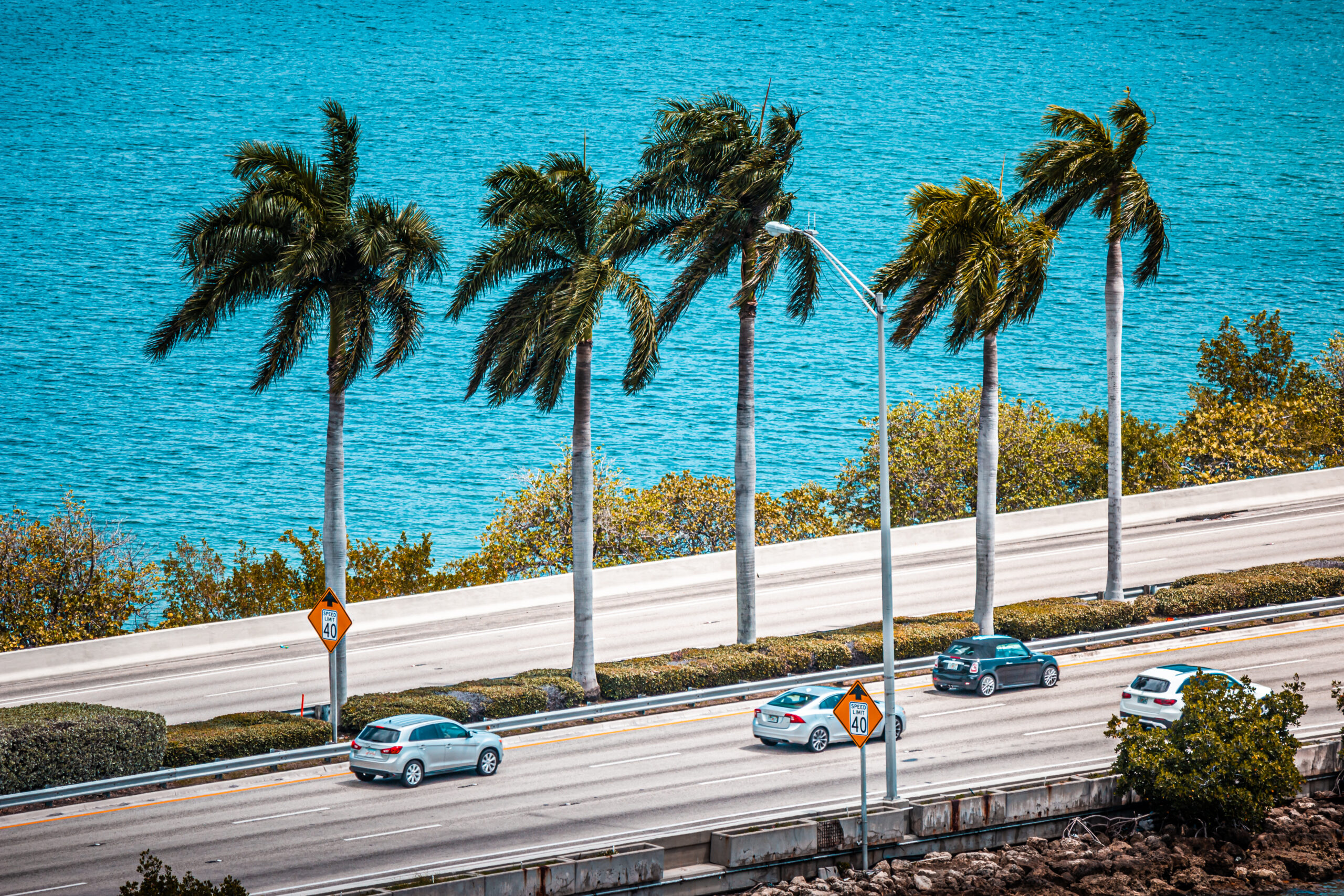
Your car’s paint is under constant attack. In Miami, UV indexes regularly hit 10+, salt air rolls in from Biscayne Bay, and summer downpours leave behind mineral deposits that etch into unprotected clear coats faster than you would expect. If you have been waxing every few weeks and still watching your paint fade, ceramic coating is the upgrade worth understanding before you book anything.
This guide covers how it works, what it actually protects against, how much it costs, and what you should know before handing your keys over.
What Is Ceramic Coating for Cars?
Ceramic coating is a liquid polymer, most commonly formulated with silicon dioxide (SiO2), that chemically bonds with your car’s factory paint. Unlike a wax or spray sealant that sits on the surface and wears off in weeks, a ceramic coating integrates with the clear coat to form a hard, glass-like layer that becomes part of the finish itself.
That bond is what makes it different from anything else in the detailing world. According to material engineers at Xometry, SiO2-based coatings offer measurable improvements in corrosion resistance and thermal protection, two properties that matter especially in Florida’s climate. The result is a surface that repels water, resists UV degradation, and stays cleaner between washes without constant reapplication.
How Ceramic Coating Works
The science comes down to nanotechnology. The coating’s particles are small enough to fill the microscopic pores in your clear coat. As it cures over 24 to 72 hours, those particles cross-link and harden into a semi-permanent barrier that bonds at the molecular level.
In practice, this means water beads up and rolls off instead of sitting and evaporating (which is what leaves water spots), and contaminants like bird droppings and tree sap have a much harder time bonding to the surface. The longer they sit on a coated car versus an unprotected one, the less damage they cause.
One thing most people overlook before booking: the paint surface needs to be in perfect condition before any coating goes on. Swirl marks, oxidation, or scratches get sealed in permanently once the coating cures. That is why professional paint correction is almost always the right first step, especially on vehicles with any visible paint defects.
The Real Benefits of Ceramic Coating
The benefits extend beyond looks. Here is what a quality ceramic coating actually delivers:
-
UV protection: South Florida sun causes oxidation and color fade faster than nearly anywhere else in the country. A ceramic layer blocks the UV rays that break down paint chemistry over time.
-
Hydrophobic surface: Water, mud, and road grime bead up and slide off. Your car stays cleaner longer between washes.
-
Chemical resistance: Acid rain, bird droppings, and industrial fallout are significantly less damaging on a coated surface than on bare paint.
-
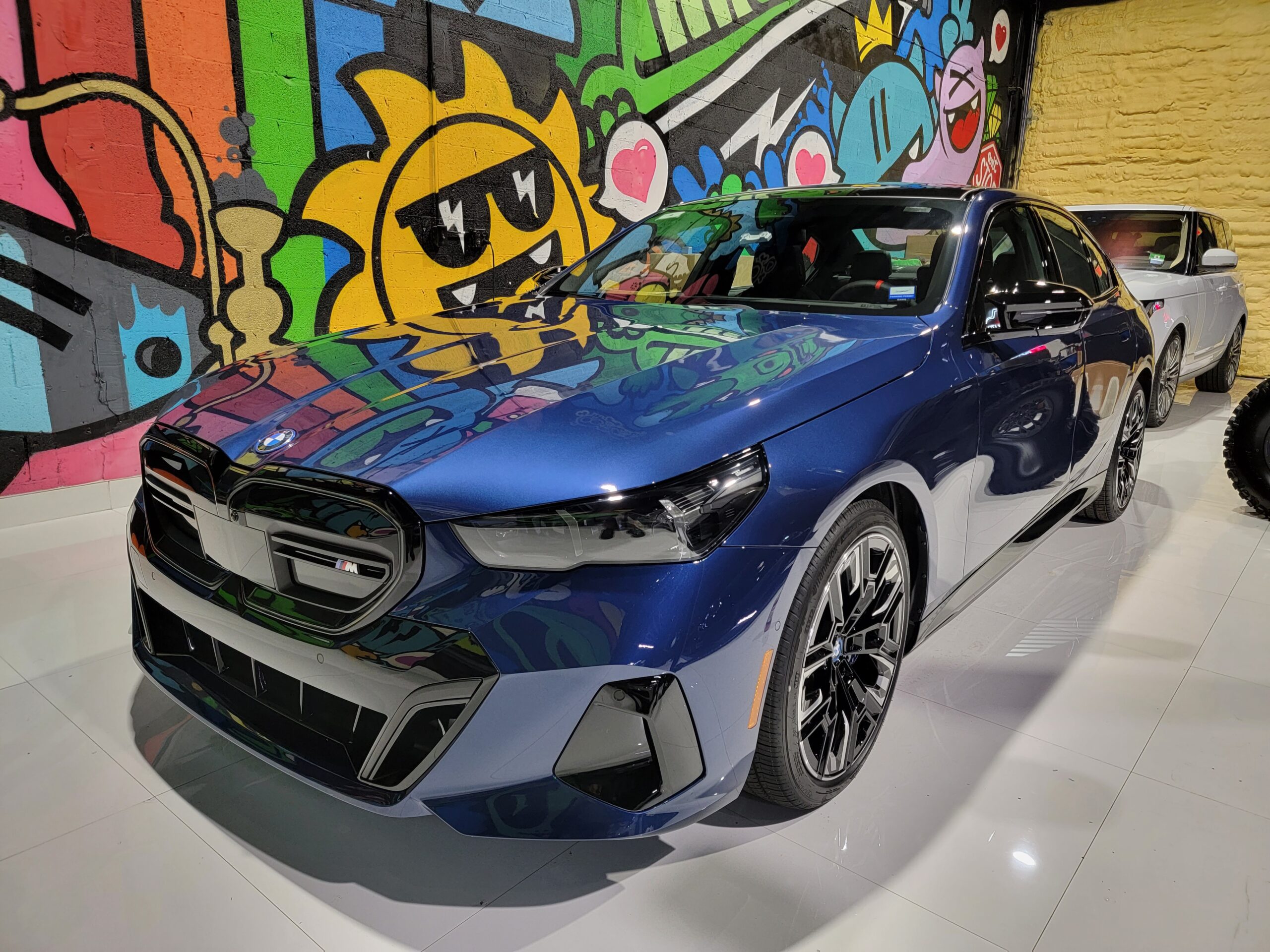
Enhanced gloss: The depth and clarity of a freshly coated car is hard to replicate. Colors look richer, and the finish has a three-dimensional quality that wax simply cannot match.
-
Minor scratch resistance: Car and Driver’s 2025 real-world testing confirms ceramic coatings reduce the visibility of fine swirl marks and light contact scratches from everyday sources like brushes and microfiber towels.
-
Easier maintenance: Regular washes take less time and effort, and you will not need to wax the car again as long as the coating holds.
Ceramic Coating vs. Traditional Wax
Carnauba wax has been a staple of the detailing world for decades and still has its place for a quick shine. But put it head-to-head with ceramic coating and the differences are significant.
Wax still works for a quick refresh between services, but it cannot replace the long-term protection ceramic coating provides. For daily drivers in Miami’s heat and humidity, the math favors ceramic every time.
Ceramic Coating vs. PPF: Which One Do You Need?
This question comes up constantly, and the honest answer is that they serve different purposes.
Paint protection film is a thick, self-healing thermoplastic urethane film that physically absorbs impacts from rock chips, road debris, and direct contact. Ceramic coating is a thin chemical layer that resists UV, chemicals, and minor surface abrasion but will not stop a chip from a piece of gravel at highway speed.
The best approach for maximum protection is both. Many clients start with PPF on high-impact zones like the hood, front bumper, and mirrors, then apply ceramic coating over the entire vehicle for chemical resistance and gloss. You get physical impact protection where the paint takes the hardest hits, and hydrophobic performance across the whole car.
Common Myths Worth Clearing Up
A few misconceptions show up constantly when people research ceramic coatings. Here is what you need to know before going in with the wrong expectations.
“It is scratch-proof.” No coating is scratch-proof. Ceramic coating reduces the visibility of fine swirl marks and makes them easier to correct during a future polish, but a sharp object or hard contact will still damage the surface.
“You will never have to wash your car again.” The hydrophobic properties make washing faster and less frequent, but the coating still needs proper care to maintain its performance. Automatic car washes with abrasive brushes will degrade it. Hand washing with pH-neutral soap is the correct approach.
“It lasts forever.” Longevity depends on your climate, washing frequency, where the car is stored, and the quality of the product used. Professional-grade coatings like Artdeshine last significantly longer than consumer-level products, but no ceramic coating is permanent.
“Any detailer can do it.” Application quality varies enormously. A coating applied without thorough surface preparation, in a dusty environment, or by someone unfamiliar with proper flash times will trap imperfections and may not bond correctly across the entire panel.
How Much Does Ceramic Coating Cost?
Pricing depends on vehicle size, paint condition, and the product being applied. Here is a general breakdown:
-
DIY consumer kits: $50 to $150, with lower SiO2 concentration and shorter expected durability
-
Entry-level professional application: $500 to $800 for smaller vehicles in good condition with minimal prep needed
-
Multi-layer professional application: $1,000 to $3,000 for larger vehicles, multi-layer coatings, or cases where significant paint correction is required beforehand
The upfront cost is higher than wax, but when you factor in years of skipped detailing visits, less time spent washing, and preserved resale value, professional ceramic coating pays for itself for most daily drivers.
DIY vs. Professional Application
Consumer-grade ceramic coating kits exist and can work in the right hands, but the margin for error is narrow. If the surface is not perfectly decontaminated and polished before application, any existing imperfections get sealed in permanently under a hard, semi-permanent layer that is not easy to remove.
Professional application means working in a controlled, dust-free environment with the surface properly prepared and professional-grade products that are not available to retail consumers. Results last longer and look better. For most car owners, the difference in price is worth it when the goal is protection that holds up for years.
If your paint already has visible swirls, oxidation, or dull spots, addressing those with paint correction before coating is essential. Skipping that step means locking those defects in permanently.
Is Ceramic Coating Right for Your Car?
If you drive regularly in Miami, park outdoors often, and want your paint to look great years from now without spending every weekend maintaining it, the answer is almost certainly yes.
Ceramic coating makes the most sense for:
-
Daily drivers exposed to South Florida sun, salt air, and road contaminants
-
New or recently purchased vehicles where protecting the original paint is a priority
-
Anyone who wants a lower-maintenance finish without sacrificing gloss
-
Car enthusiasts who take their paint seriously and want long-term results
Many clients who invest in ceramic coating also add professional window tinting to round out their vehicle’s protection, reducing interior heat and blocking UV rays that fade dashboards and upholstery over time.
If you are ready to move forward, our ceramic coating service uses professional-grade Artdeshine products applied with full surface preparation for results that stand up to South Florida’s toughest conditions year-round. Reach out, and we will walk you through the right package for your vehicle.
Frequently Asked Questions